
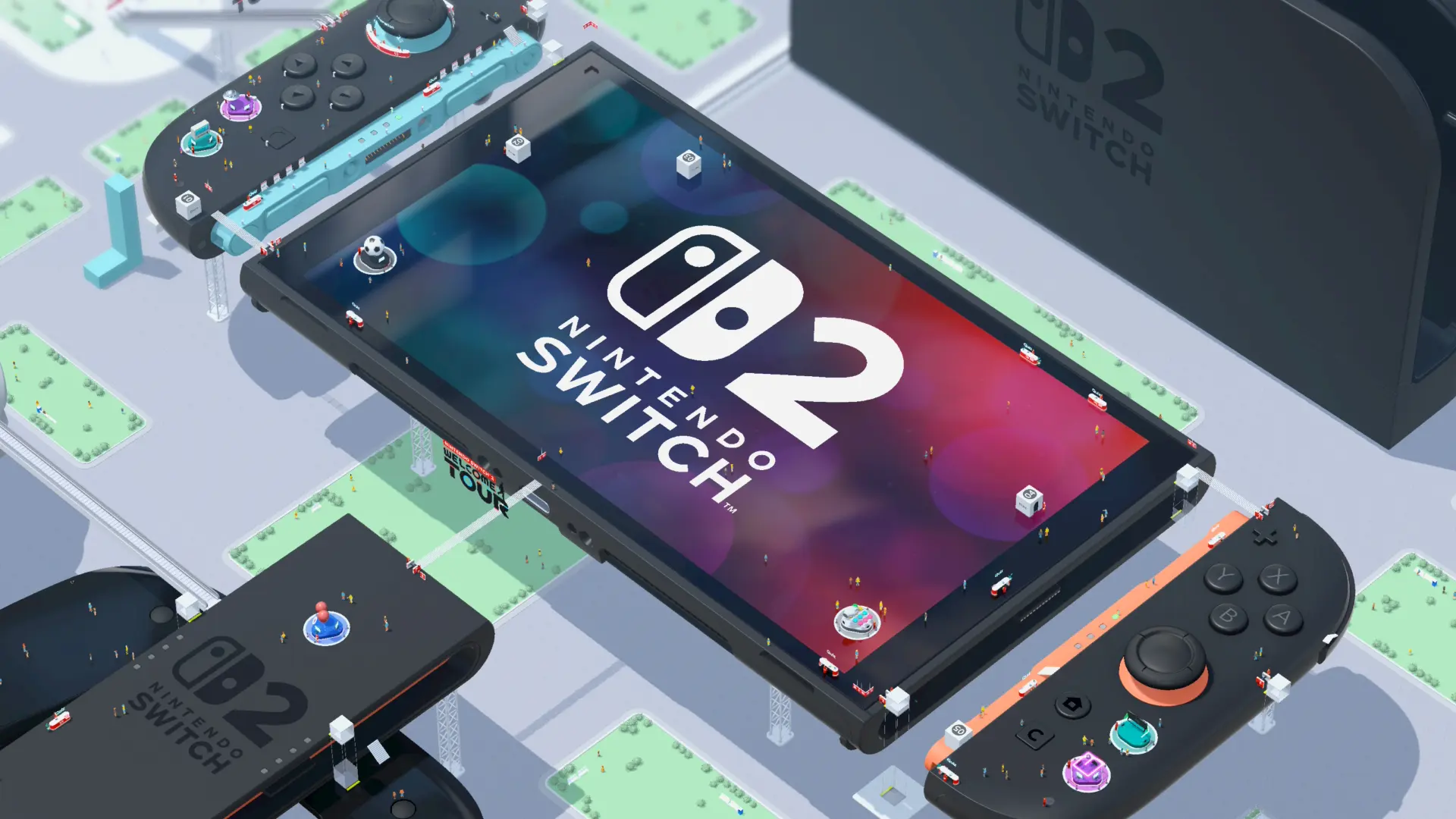
Game in review 2025: Switch 2 and friends
What a year full of games, especially with the release of the Switch 2. There were tons of games I played this year, mostly catching up on what I missed over recent years but now with the enhancements of the Switch 2.
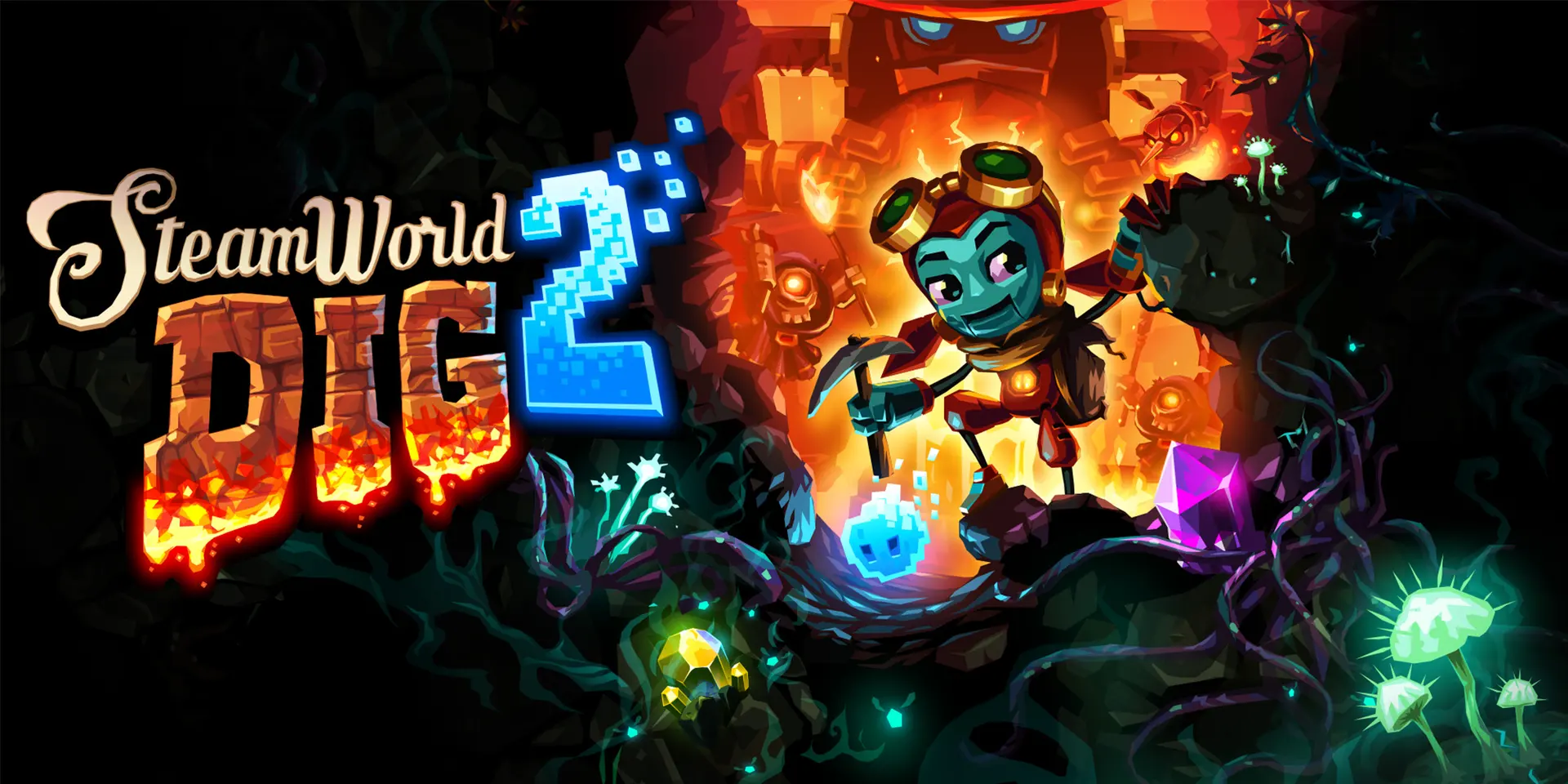
Steamworld Dig 2
I began this year with a small title. At the time, I was starving for a new game; many games were being released, but none seemed good. I prefer playing on my Switch because I enjoy the handheld experience, so I picked this one up. Based on what I saw, I thought it would be similar to the California Gold Rush games I used to play on J2ME phones, but it was not like that at all. It captured that same addictive digging itch from the old mobile days but added a sense of mystery and atmosphere that those older games never had.
The most impressive aspect of the game is how it hooked me into a loop of digging for gold, upgrading gear, and unlocking Metroidvania style power ups to access new areas. It feels simple and familiar to fans of the genre. Every time I hit a rare ore or found a hidden cave, that little spark of discovery kept me going for hours. The satisfaction of the pickaxe hitting the rock is a perfect example of game feel done right. However, the platforming sections are the true highlight. The combat is lacking in a good way, as most of the mechanics are focused on platforming. There is a weight to Rusty that makes every jump feel important and every long fall feel dangerous.
The graphics and soundtrack are incredible as well. It runs at a native 1080p docked and 720p handheld. The beautiful, magical soundtrack helps wash away the stress of the day. It makes me wonder why we constantly chase more advanced graphics technology. Even in 2025, the crispness of the character models and the way the lantern light flickers against the dark mine walls looks better than many bloated modern titles. As we move forward, we often drop support for older systems where this type of genre still works perfectly well.
Regarding the final boss, since the entire game is built around platforming mechanics like digging, hooking, and bombing, the encounter feels more like an intense sequence of platforming and bullet hell evasion. My heart beat very fast, and I imagine my little Rusty felt the same. The battle is not overly intense in a traditional sense, but it is interesting how the developers leveraged the existing gameplay without losing their way or trying to mimic a Souls like experience. It felt like a true test of my mobility rather than just a test of my damage numbers.
I love Rusty and I love SteamWorld Dig, but it is sad to know the publisher has moved on and we will likely never get a third installment. In an era of endless sequels and live service games, it feels strange and lonely to reach the end of a series that still has so much heart left in it.
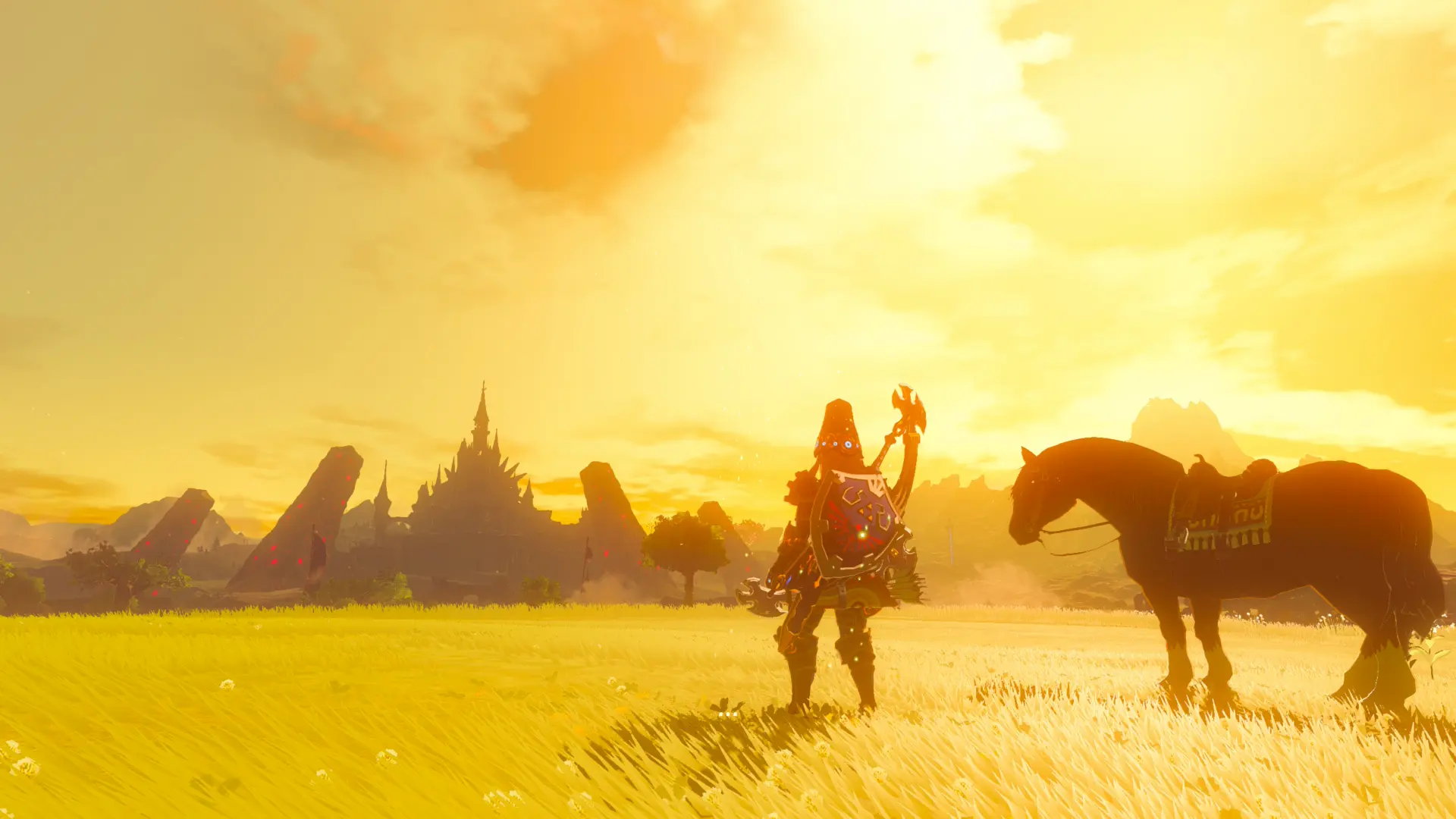
The Legend of Zelda: Breath of the Wild
You might ask why I am playing this game again in 2025. The answer is simple: why not? Why wouldn't you enjoy this masterpiece again in 4K at 60fps? This review will focus on the new experiences I have had, reflecting how my tastes and I have evolved since 2017.
That iconic moment when Link runs out of the Shrine of Resurrection remains unforgettable. It stands as one of the most significant moments in the history of the video game industry. Seeing that memory brought back to life, now with such clarity and brightness, truly warms the heart. It might not seem that deep, but that is exactly how it felt to boot up the game one more time after paying the ten dollar fee for the upgrade. On this newer hardware, the watercolor art style finally looks like a moving painting without any of the jagged edges of the past.
Playing as Link in 4K at 60fps feels like a dream. While many have already experienced this through emulation, the official upgrade feels more authentic. You can truly feel the soul of Zelda and that classic Nintendo presentation. Because this is primarily a boost to the frame rate and resolution, you will not see enhancements to depth of field, draw distance, or texture detail. Even so, the stability of the frame rate makes parrying Guardians feel much more responsive than it ever did on the original console.
Playing this in 2025, several things occurred to me that I did not notice originally. The variety and quantity of enemies in the field feel lacking. Sometimes I ran across entire fields without encountering a single wandering enemy. This might be because I have played so many games since then that featured much more intense combat. I even found myself instinctively looking for the more complex building mechanics of the sequel, only to realize how much more quiet and lonely this version of Hyrule actually is without the sky islands or the depths to explore.
However I love the soundtrack of this game more than Tears of the Kingdom, especially every Devine Beasts encounters, they are tragic, they shed my tears, the more I listen, the more badly I feel, fortunately the last scene help me out of this sadness or I will not forgive you Nintendo! The minimalist piano notes that play while exploring the ruins feel so much more intentional and atmospheric in this game compared to the busy sounds of the sequel.
Fighting alongside those same companions again, after seeing them mature in Tears of the Kingdom, feels truly special. Now, I can spend more time with Mipha and delve deeper into the lore of Ganon and his servants to see how everything is connected. Having that extra history with these characters makes their moments in this game carry much more emotional weight than they did eight years ago. It is a bittersweet experience knowing their ultimate fate while seeing them in their original prime.
Regarding the dungeon design, my opinion remains unchanged. Only the lightning Divine Beast stood out as truly good. The rest were fine, but they did not hit as hard as the lightning one. I spent two hours there, and the entire structure was incredibly creative, resembling a massive machine running across the desert. Vah Naboris actually requires you to understand the 3D space and manipulate the entire machine, whereas the others feel more like a quick checklist.
Finally, the final boss sucks!
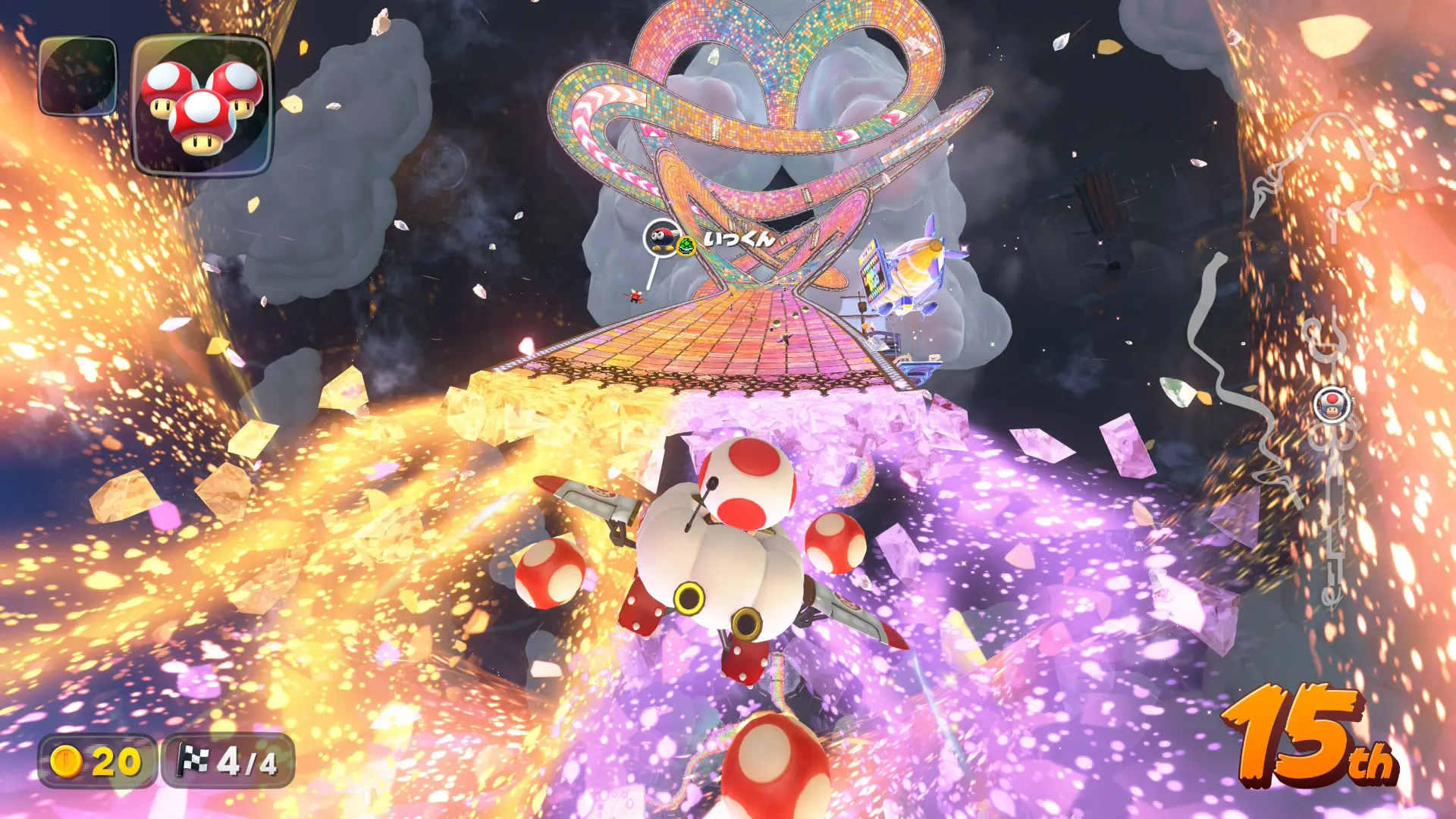
Mario Kart World
This is the very first game Nintendo teased in the Switch 2 reveal trailer. Like everyone else, I thought the graphical showcase for the next generation console was not very impressive at first. We speculated whether this would be an open world racing game, seeing that they increased the number of racers from 12 to 24 to make the races more chaotic, which is something that would only be possible on the Switch 2. However, after the release and playing for a significant amount of time, then going back to Mario Kart 8 Deluxe, I have to admit that this is a true next generation racing game. Maybe it is because of how we remember the previous titles, which had static lighting and shadows, isolated environments, and sometimes even simplified objects or flat crowds. Please stop arguing, as the graphics in this game are genuinely good.
Returning to the core gameplay, let us start with the traditional four laps of racing. I like the way they redesigned and adapted retro and classic racing maps into an open world title like this. Seeing some of these places in 4K with a total reimagining is special. I am not saying every redesign is good, as I still prefer some old designs over the new ones, but fitting them into the new open zone game works reasonably well. Also, the intermission laps are, honestly, neither too interesting nor too boring. In terms of racing lap design, it is a mix. Sometimes it feels good, but sometimes it does not. Is it just a straight line of road where all we can do is look at the beautiful scenery? Really? Also, Nintendo seemed to push players to choose these laps by forcing the possibility of intermission laps to appear even more often, but then they improved it in later updates. I do not understand them, but honestly, the situation at the end of 2025 is much better.
One of the new modes in the game is Knockout Tour. This is one of the best things I enjoyed this year, and I wonder why this was not included before. The gameplay is fantastic, and the bot AI is incredibly challenging. If you want to place first, it takes a huge amount of time to practice and secure the win. But again, the number of intermission tracks impacts the enjoyment. On some of the courses, there are long straight lines, and I am very annoyed to find that the speed boost mechanics do not help enough when you are not far behind. I know people like stressful gameplay, so here it is.
Finally, there is the free roam mode, with a full pack of collectibles and missions scattered here and there. Honestly, with this mode, I do not pressure myself to complete all the collectibles or unlock Mirror Mode as I know I cannot because it is too hard for me. A racing game like this is not easy for me. The amount of tricks, practice, and technical skill I have to know and perform perfectly to complete a single mission for absolutely no reward makes me think I do not have enough skill to complete them all. But besides that, I believe completing all of that is not my idea of fun. I like to race around, discover some spots with beautiful scenery, take some screenshots to post online, and listen to the incredible soundtrack that was remixed and reproduced from old tracks across past Mario games.
It would be a terrible review if I did not mention the online mode. While I cannot say if the stability is any better than in previous titles, perhaps it still uses a peer to peer connection. Since I moved to a new department, my NAT network type is now B, so that is no longer an issue. The most significant change is how they increased the number of racers from 12 to 24. The races feel chaotic now. Even if you are among the best racers in the world, you will likely be the last to cross the finish line most of the time. The same applies to the knockout tour, where you will probably be the first one eliminated. This adds more of a challenge to the fun. As always, Mario Kart is a game that is easy to play but hard to master. Have fun.
Super Mario Odyssey
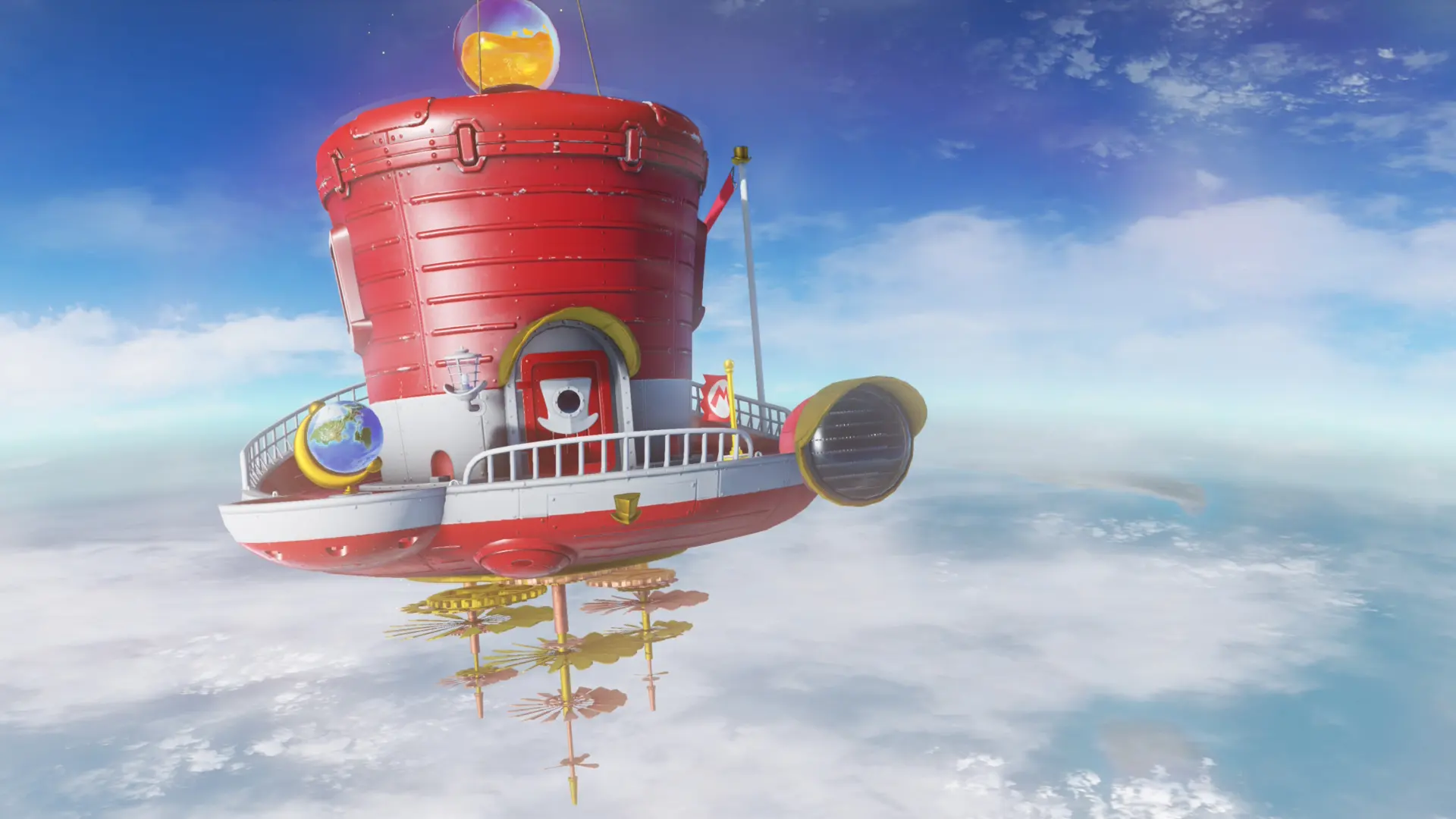
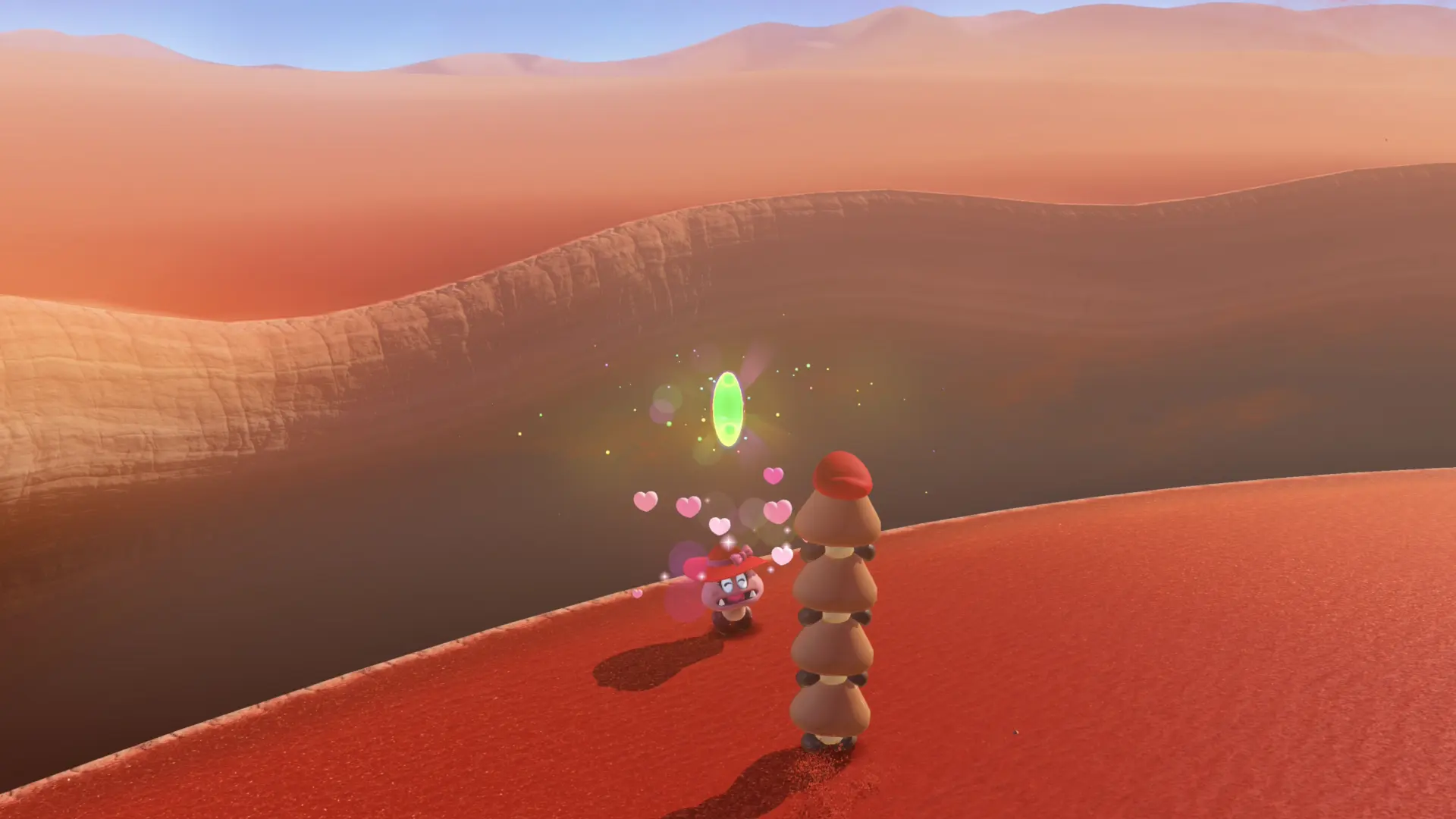
Years ago, I played Super Mario Odyssey for the very first time. At that time, I felt very confident that I could complete it, but in the end, I realized once again that I lacked the skills to do so. Now, years later, I am embarking on an adventure that feels quite strange as I try to rediscover the love I once lost for this journey.
First of all, with the free upgrade for the Switch 2, the game looks very crisp and the frame rate is remarkably stable. However, you should not expect any significant texture detail bumps or model updates. It is a very basic upgrade, but it still proves that this art style is timeless. Some people claim the game is low polygon, citing the dust that appears when Mario jumps and lands or when he rushes down a road. I believe this is simply part of the optimization choices and the game's specific art style. I do not expect it to be realistic because that is not what makes the Mario series great.
The reason I call Super Mario Odyssey a strange adventure comes down to the perspective of Mario, the players, and myself. We already know how the game turns out. It is a great experience and a collectathon that focuses mainly on platforming and open zones. What is more interesting is how the community has evolved over the years. Moving from course selection to open zones and free roaming frustrated some people because this new gameplay style sacrificed certain elements, such as dense level design tailored for individual stages with dedicated ways to play. In a game like Mario, loyal fans often value replayability more than anything else, and somehow Super Mario Odyssey did not achieve that quite as well.
This is not necessarily a bad thing, but Nintendo has moved on. They want their games to be bigger, offering fifty hours of gameplay and tons of items to collect. They tried to balance this with thousands of mini courses across the world, but it still does not feel like enough. On the positive side, the new formula achieved something standout that almost no other 3D platformer can match today: the atmosphere, the world building, and especially Mario's new movement. Specifically, this game is built around Mario’s moveset, which is richer than any other platformer currently in the industry. The obstacles were not placed first; instead, Mario’s movement is the center of the design, and the environment is built to adapt to and help players master those movements. It is clear now that this approach goes against the preferences of players who wanted the obstacle centric design of the past.
When we consider the underlying philosophy, there is nothing wrong with this direction. Imagine an open zone with too many obstacles to dodge or jump over scattered everywhere; wandering around would become frustrating. The current gameplay adapts to this very well. Looking at specific worlds, the Metro Kingdom requires you to master all movements to complete the map 100%. Even with the hard sections and mini courses, it remains one of the hardest levels in any Mario game to date. Once again, I had to give up.
Moving on from the gameplay and the Switch 2 visual upgrades, the soundtrack is both adaptive and memorable. There are ambient tracks that exist to enrich the environment, while other catchy tracks have become iconic for modern Mario games. For example, we cannot forget how incredible Steam Garden sounds. It seems every garden theme is incredibly well made.
Finally, regarding online features like the Luigi minigames, I decided to pass. I did not even want to 100% the game, as that feels more like a punishment than a challenge. It is time to move on.
Pokémon Violet
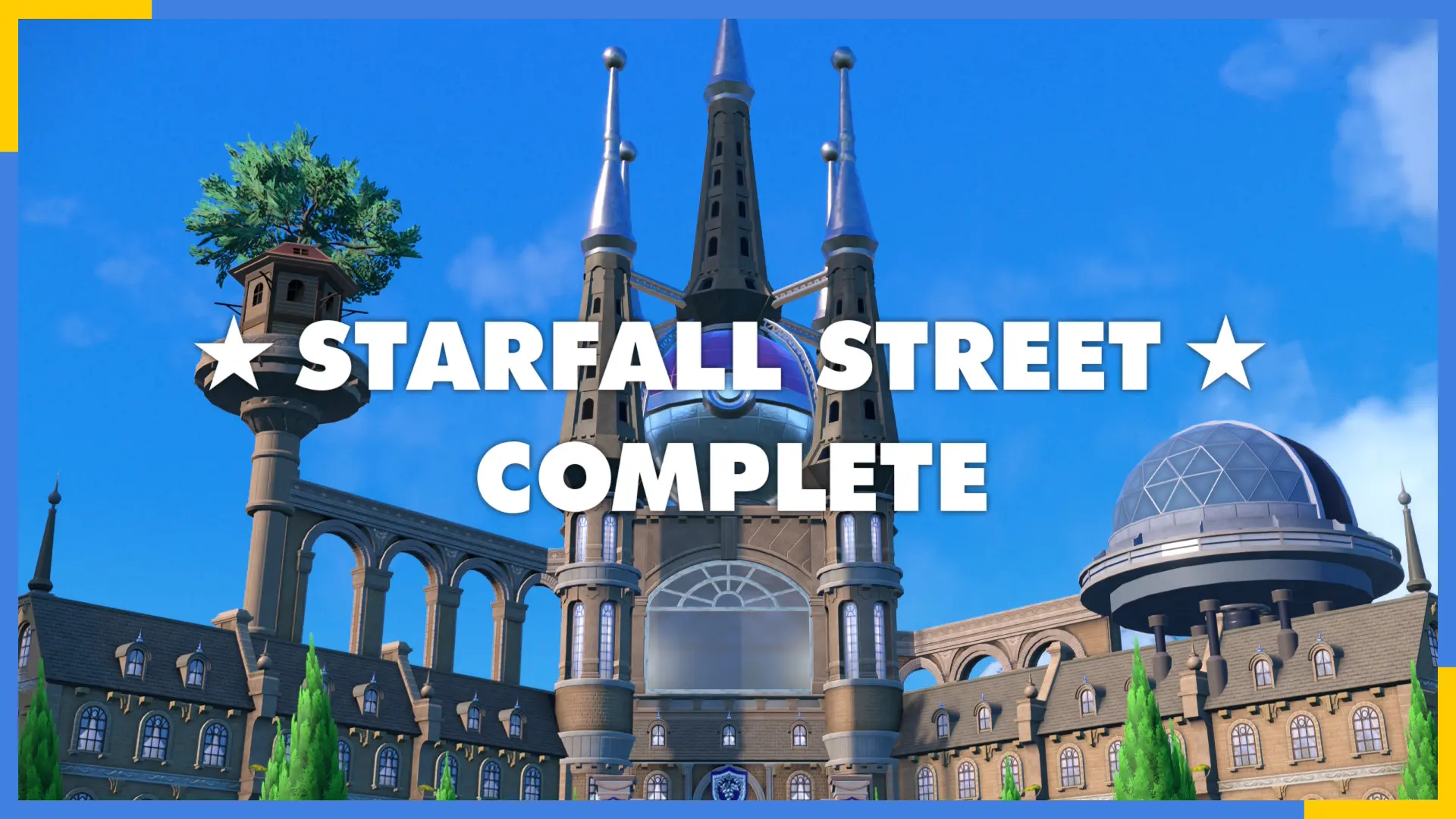
This is the first time I played modern Pokémon game, the creature models are great. They could have been better, but they are fine enough. The battle mechanics are fine as always; it was a pretty safe move not to change anything fundamental. There are tons of items and collectibles to find around the world. The story is very simple, but it works, and the traditional gym-based progression is a familiar element with not much to hate. The music is beautiful and keeps up with the gameplay, especially in battles. While not heartbreaking, it is very fitting for the settings and scenes, which at least makes the experience feel better. Some tracks are so memorable that they still stick in my head today. The game also has tons of great humor and jokes that are genuinely funny to see included.
The world-building is terrible. It is not that the world is empty, since many open-world games are, but the way Game Freak designed the landscape, placed destinations, and guided the player is not good and is often very confusing. It could have been improved with things like better NPCs for lore and navigation. The world design, in terms of the feeling of the landscape and surroundings, does not make me feel like this is the world of Pokémon. As someone who values the anime’s sense of wonder, I find the world is not beautiful. I remember in the anime there were beautiful mountains, long, lively rivers, and magical forests, but in the game I feel nothing. The world is so bland, especially when you see how games like Breath of the Wild or Xenoblade design their landscapes to be more than just beautiful. Pokémon behaviors are lifeless. While they sometimes run into you or a big one is protected by a group of smaller ones, there could be so much more, like wild Pokémon conflicts or other dynamic behaviors that games like Xenoblade already have. The main story is simple and works, but that is all it is. There is no significant narrative side content or side quests. The anime movies do this very well, telling tons of side stories that could have enriched the beauty of the world and made it feel more alive. The gym design is also a letdown. While the gyms now have a mini-game before each battle, the anime again does it better. In the show, there is a lot of side content that could be told before a gym, like the story behind the gym leader, their conflicts, or how they become your friend after the battle. In the game, this is mostly absent. After you complete the mini-game, the leader walks in from nowhere, and after the battle, the leader walks away after giving you the badge. The only good one is the Ghost-type gym, which features a rap battle and a leader with a good spirit. The graphics are a letdown for sure. This is a subjective point, I know, but I would prefer a cel-shaded Pokémon game. It would fit the art style of the anime, or games like Breath of the Wild and Xenoblade, which have a timeless look. This would also allow players to feel a continuous connection with the art style they see in the anime.
The characters and the storytelling are terrible too. The game tries to have the same feel as Breath of the Wild and its parallel points of interest, but it does not work. The game’s challenges have fixed level curves instead of scaling, forcing you into a strict order to have a balanced experience. This disconnect makes the characters feel off. For Arven, while the result of his story is very heartbreaking, and I cannot deny that, the process of how we get there is not satisfying. Nintendo games in general prioritize gameplay progress, and here it hurts the story. Even after you save his buddy, all he wants to do is battle you and kill all your Pokémon. In terms of game design, this is clearly a way to prevent you from getting to the ending too early, but this creates a terrible conflict between the gameplay's needs and the story's emotional flow, which ruins Arven's character at that moment. Nemona is terrible too. Even though she is canonically a Champion-rank trainer holding back, the game's open-world design reduces her to a simple mechanic. It needs a way to give the player more XP to stay balanced, which forces Nemona’s character to feel weak and repetitive. All she wants to do is battle you and nothing else. I do not feel her spirit or any encouragement from her. It just feels like, "Hey, battle me. I want to battle, so I will give you XP. That's my job."
The reason for all of this is that the developers are still designing with a battle-focused and very young mindset for storytelling and world design. If a studio like Monolith Soft or another big name were involved, they would never allow Arven’s character to be used as a simple obstacle like that. Instead, it would have been the perfect time to introduce a twist, like another villain who gets in the way, which would have been a much better obstacle. There is so much more to invest in beyond just battling. Battles are great, but side stories like finding items for an owner to see their Pokémon evolve, or better mini-games that have more impact, would be much better. I cannot understand how they have so much money on hand but design a game like this. It is so funny. But in the end, that is a Pokémon game, and people will buy it nonetheless.
Celeste
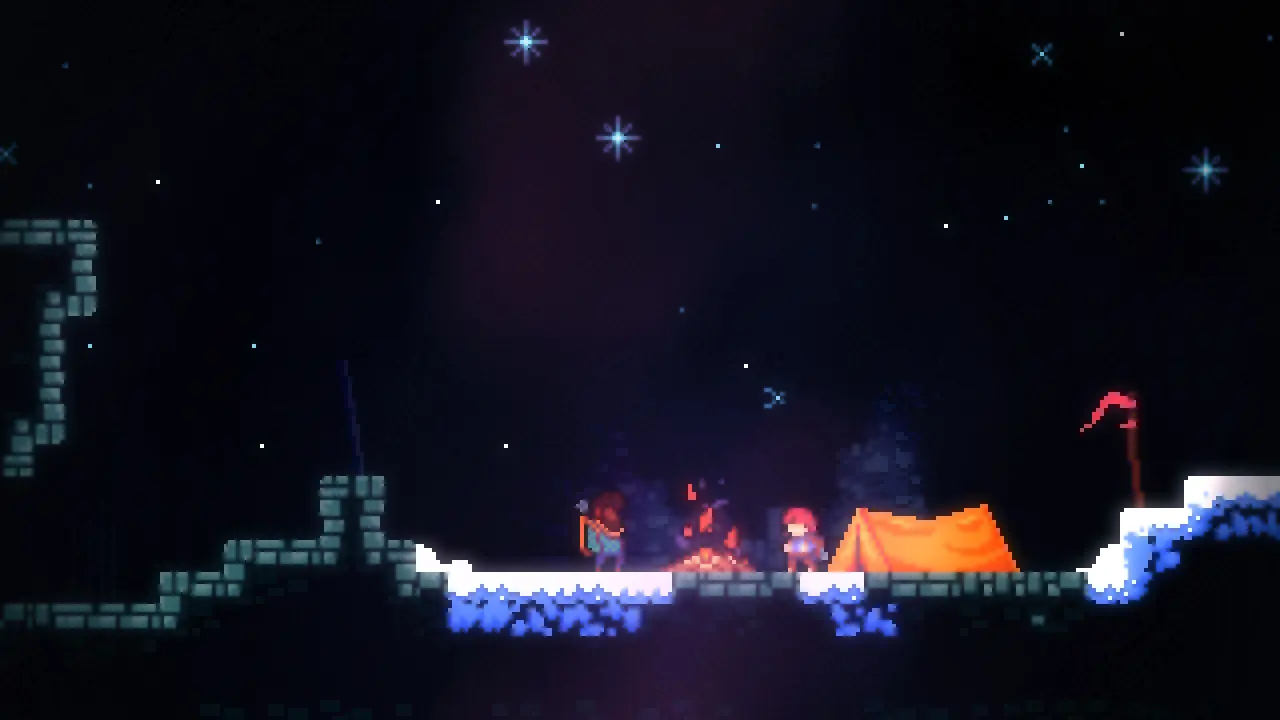
This is just a quick review as I have not completed the game yet, but the feeling and the message it conveyed inspired me to write down some thoughts that will stay with me through the end of the year. I am unsure whether to call this an interconnected world or course based level design because both descriptions feel correct. Each screen or section presents a challenge to overcome. I use the word overcome because these sections are not easy at all. Sequences involving jumping, dashing, and jumping again, paired with very tight controls and an upbeat soundtrack, make me wish the experience could last forever.
When you play a game where the developer respects you, every movement and every failure becomes a reason to keep going. The lessons learned from a previous course carry you into the next, more difficult level. By the end of the course, you can say to yourself that you actually did it. Do not give up or feel ready to throw your Joy Con away, even when faced with much harder and longer sections where the course suddenly changes and checkpoints disappear. A shadow might chase you across the map, following your movements as if you are fighting yourself. Your heart beats fast, and if you fail without a checkpoint, you must go through the entire section again.
Is there something wrong with any of this, or is it just a typical hard platformer where you have to challenge yourself? Perhaps it is something more than that. Regarding the visuals, I love the pixel art style because it looks familiar while the colors pop at the same time. I also love the soundtrack, as it feels tied to my heartbeat and makes every beat feel worth it. Since there are so many other games I need to play, I will come back to play more another time. Hopefully, it will not give me a headache like the next game might.
.jpg)
.jpg)
Donkey Kong Country: Tropical Freeze
I love the way it feels and how it plays, but I am also very frustrated with myself for not being able to keep up because the game is so difficult. It is one of the best platforming games of all time, as well as one of the hardest. When discussing 2D platformers, Donkey Kong Country: Tropical Freeze is one of the few games that demonstrates how to build an environment correctly and adaptively. In other games, a platform is often just a square or a box for you to jump on, and the world building is simply something designed to fit the level design. However, in this game, every object and obstacle is a natural part of its world, from the leaves to the fences. The enemies are no joke either, requiring high skill to grasp collectibles in high places that would be impossible to reach without double jumping. It is very easy to miss a few items, which requires you to play a subsection all over again. The controls are incredibly tight. They require you to jump or hold a button at the exact right time, or you will fall off a cliff and lose all your health. There are many more examples of the incredible work Retro Studios put into making this a masterpiece, but for me, it is so difficult that I worry I might ruin my Switch in frustration.
Graphically, the game holds up very well. Even with some low resolution details, such as in the image I attached, the environmental details, the dynamic backgrounds, and the sense of weight in Donkey Kong's movement are all excellent. It looks great even in 2025 for a 2014 title, without needing a Switch 2 upgrade. I believe the game runs close to 1080p, but it still looks very crisp on a 4K television.
I am not going to waste sixty dollars on ten hours of gameplay and just give up, so I will return to play it again. YouTube tutorials are helpful for looking up enemy movements, though I somehow still fail to complete the courses. Along with the special courses that unlock after the main paths are open, the game punishes you with incredibly hard titles and one shot deaths. Every gap is a cliff, so if you fail, you die. I am not ready yet, but I am not giving up either. Finally, the soundtrack is incredible as always. That is enough for now, so let's move on.
Switch 2 Welcome Tour
What do you want me to say? It is a fine game, and I love how it provides me with some virtual Switch 2 footage for a thumbnail.
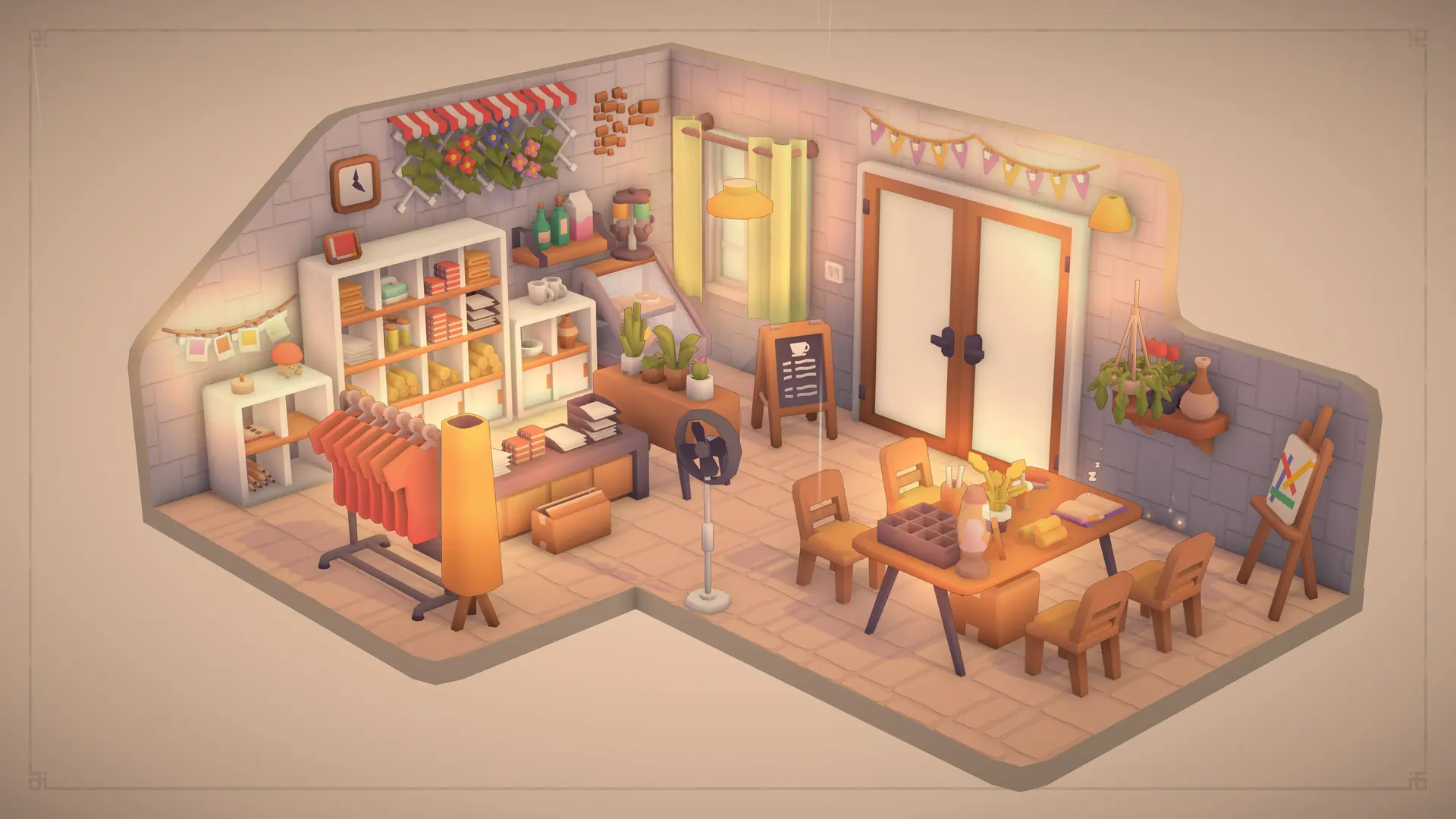
Make Room
Make Room is the only cozy game on this list, and I do not even know how I spent up to fifteen hours just designing rooms and decorations. To be honest, I have many thoughts I want to share, and while I was initially worried about the community's reaction, I have decided to speak my mind anyway. Let's start with the positive side. This game feels like a miniature version of Blender software because it provides prebuilt decorations and furniture for you to arrange. With basic designs for rooms, cars, and gardens, you are free to design your ideal spot or the place you would want to live in. As a cozy game, that is exactly what you expect. You can lose a couple of hours in the cozy atmosphere while letting the stress wash away and allowing your imagination to fly, at least until you encounter things that are a bit more bothersome.
As an indie game, is it fair that they do not give you much content from the start? This is the opposite of big publishers, where games are expected to be complete and updates are not just restored cut content. Unfortunately, this game falls right into that trap. The amount of furniture is very limited and lacking, and the surrounding environment feels the same way. Looking at my designs, that is all I could do because there is no environment and the furniture feels repetitive across different rooms. I wondered why they did not finish the game or release it in early access or private beta to complete it before the full release.
Another issue is how they gatekeep certain features and special furniture for future updates and collaborations instead of giving everything to the players at once. Why do this? I believe having a complete experience from the start is much better. I also noticed on the creator's social media accounts that they share many free 3D models for open source design, yet they do not include them in the game. Perhaps they do not fit the style, or maybe they want this to remain a small project. For a ten dollar game, I suppose I cannot ask for too much.
Furthermore, the world map feels like a tutorial. There is nothing to hook the player and no story, making it feel more like design software than a game. At some points, I even thought about downloading the actual Blender software to play around with, but I gave up on that idea. As someone who is moving on to the next game, feature updates are pointless to me if they are not significant, especially for a cozy game like this.
Yoku's Island Express
Into the Breach
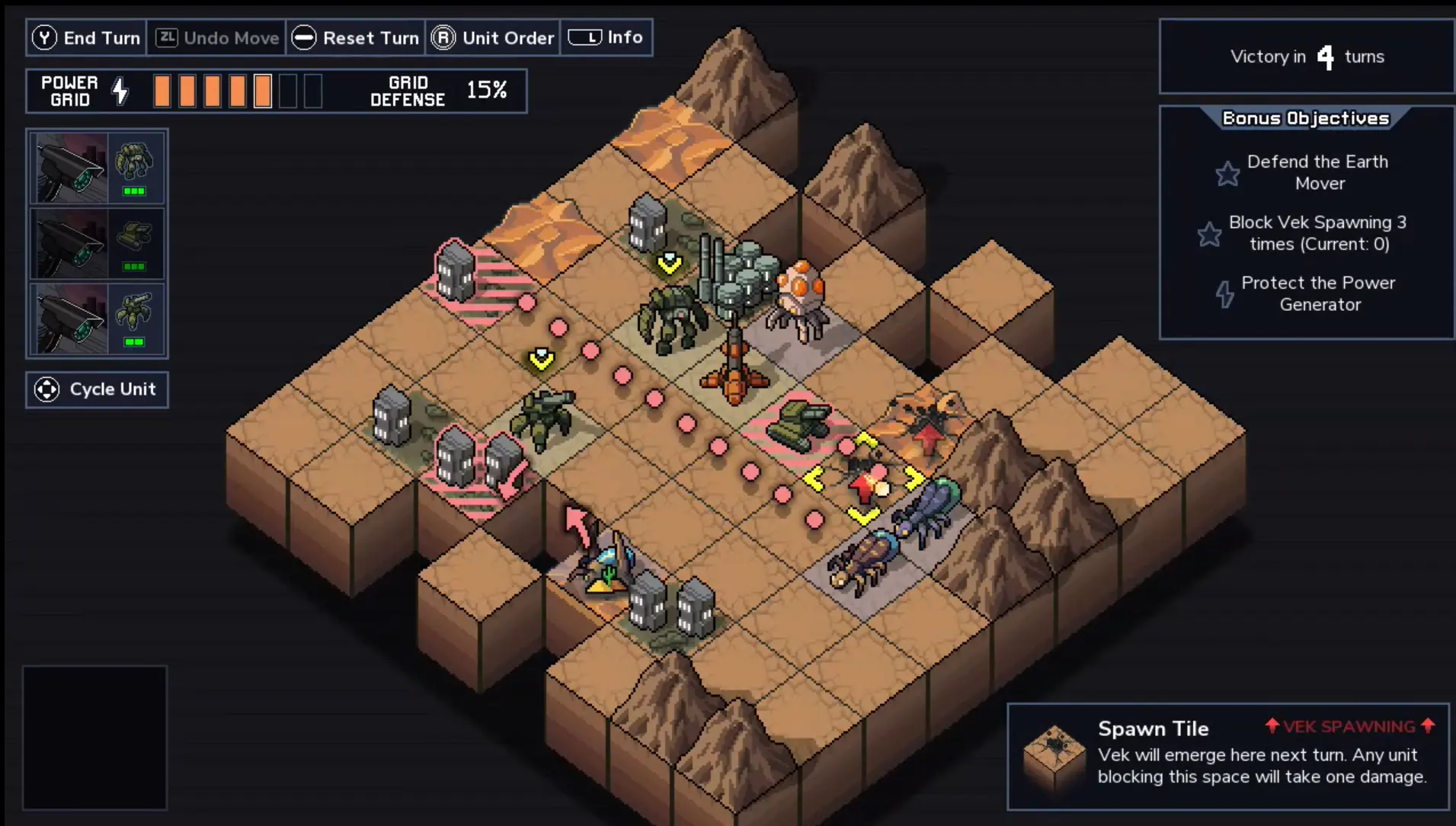
I bought this game midyear simply because it was cheap and had received so much praise. After playing for about eight hours, I stopped because I felt so stressed. The game's philosophy focuses on loss and balance; you can never have the perfect build or a perfect win. While that is not necessarily a bad thing, achieving a perfect victory would have felt like a great accomplishment.
The game starts by letting you select one or two builds to tackle a procedurally generated adventure. You could even think of it as an adult version of Advance Wars on the GBA from back in the day, as it belongs to the same tactical turn based genre. Each unit type has different capabilities and there are slots for upgrades along the way, though you should not expect too much since the items provided for these slots are quite limited. The environmental effects and their impact on your units are a welcome addition. Combined with a wide variety of enemy movesets, this results in very complex and dynamic gameplay. There is so much to consider, and every unit movement must be calculated very carefully. With just one bad move, the entire team and the map are ruined, and the fight is lost. Once you lose, you must start over because this is a roguelite game.
It is a very challenging game. It feels as though you want to save everyone around you and have been given a mission that you cannot fail, yet you inevitably lose people and units along the way. A sense of loss and acceptance is required because there is no way to save them all perfectly. Something about the experience hurt my feelings the more I played. It is much harder than titles like Mario plus Rabbids from Ubisoft or even Wasteland 3 because this game is unforgiving. The more you play, the more you feel lost in the conflict, as if this were a real war and you were a veteran soldier surviving just to face the next adventure.
Finally, the best part of the game is the soundtrack. When my head was spinning from trying to calculate and optimize the perfect path, the music soothed me while making the lives lost due to my bad moves feel even more tragic. I am so sorry. Some of my track recommendations are Antiquity Row and Old War Machine.
.jpg)
.jpg)
Stardew Valley
I spent a significant of my time this year playing Stardew Valley, a game I abandoned years ago. At that time, my experience with gaming was quite limited, and I required specific quests and details to keep me engaged. Playing that way turned out to be less enjoyable for a PC and console title, but as I have matured, I have come to enjoy it much more. There is a lot to unpack here, so bear with me.
First, let's consider the current landscape of farming and management games in the industry. Stardew Valley is an indie title, and the sheer volume of ideas the creator implemented sets it apart from its peers. When discussing this genre, the most important series to mention are Harvest Moon and Story of Seasons. I am referring to the original lineage, not the newer Harvest Moon series in the West. Comparing Stardew Valley to Story of Seasons reveals two very different development mindsets. One approach creates a comprehensive game with everything packed into a single experience, while the other builds new entries around central concepts and adapts the gameplay accordingly. Stardew Valley feels like a true passion project. It evolved from a small title into one that attempts to perfect every mechanism through continuous free updates. Fans often call the creator the best person in the world, but this model does not fit the Story of Seasons series. The team behind Story of Seasons is responsible for a mainline franchise established in the eighties and nineties, and there is an entire business structure behind it. Once they perfect an entry, they move on and invest their ideas into the next one. In this review, I am not trying to compare every detail, and while I have been critical in other reviews, I believe this is a fair assessment.
Let's look at some core elements, starting with the gameplay. It begins as a simple farming game with a classic introduction, placing you in the position of restoring a once great farm in the valley. Initially, simple quests appear, but they are not there to force your hand. Instead, they serve as baby steps to familiarize you with the townspeople. There are many characters and an incredibly complex relationship system. You must decide if you want to be their best friend or focus solely on your own business. As someone who generally dislikes managing relationships in games, I did not expect gifts from NPCs or feel compelled to connect with them, so I decided to skip that entire section. That was a huge mistake that eventually forced me to restart the game after two years of play. Does the game encourage that playstyle? In some ways, yes and no. It is a game meant to be played at your own pace, but for a completionist, it can be difficult. While it is never too late to start building relationships, achieving perfection becomes much harder later on. As I began to understand the mechanics, I realized that one should pay attention to everything the game suggests, as there is usually a reason for it. If you miss something, it is not the end of the world, but it may lead to regrets later. The relationship system feels rewarding when handled correctly, offering secrets and cutscenes that make you feel like part of the valley.
Regarding the main quests, you can choose the Community Center path or the Joja Corporation route. I chose the Community Center like most players, and it becomes your primary focus for the next two years. Completing it in the first year is very challenging because it takes time to master the farming techniques, machines, and mines, especially since some rare items are required. It is a busy period. I remember getting stuck on a bundle requiring quality crops because I didn't realize I needed to produce gold or iridium quality items during the spring. Once the season ended, I couldn't even purchase the necessary seeds. Similarly, the fishing bundle would have been nearly impossible without looking up online information on how to catch specific fish.
The mines made me nervous, but they taught me that practice leads to proficiency. However, managing luck and daily fortunes can be dizzying. I usually bring my Galaxy Sword, a rabbit's foot, and plenty of food to keep going until I pass out. At this point, I feel the mines can be somewhat repetitive and overly dependent on luck rather than rewarding fair play. Sometimes I spend days searching for a Prismatic Shard without success, only to find one randomly by cracking a mineral. The further you progress, the more the luck based mechanics can lead to frustration. For instance, I certainly do not want my Galaxy Sword to turn into a Haymaker.
The game is excellent, but there are flaws or areas that feel unfinished. For example, the train section leading to the mountains, the tunnel, and certain caves seem dedicated to only one specific mission. Additionally, as the creator adds more mechanics and producers to balance the game or add content, the overall experience can feel slightly clunky or unnecessarily complex. Again, this is the result of it being a comprehensive, all in one title.
Finally, the soundtrack is one of the best aspects of the game. The score is wonderful, ranging from upbeat tracks to emotional melodies. I particularly remember hearing the mermaid's song and wondering if the creator provided the voice himself or found someone else to sing that beautiful melody.
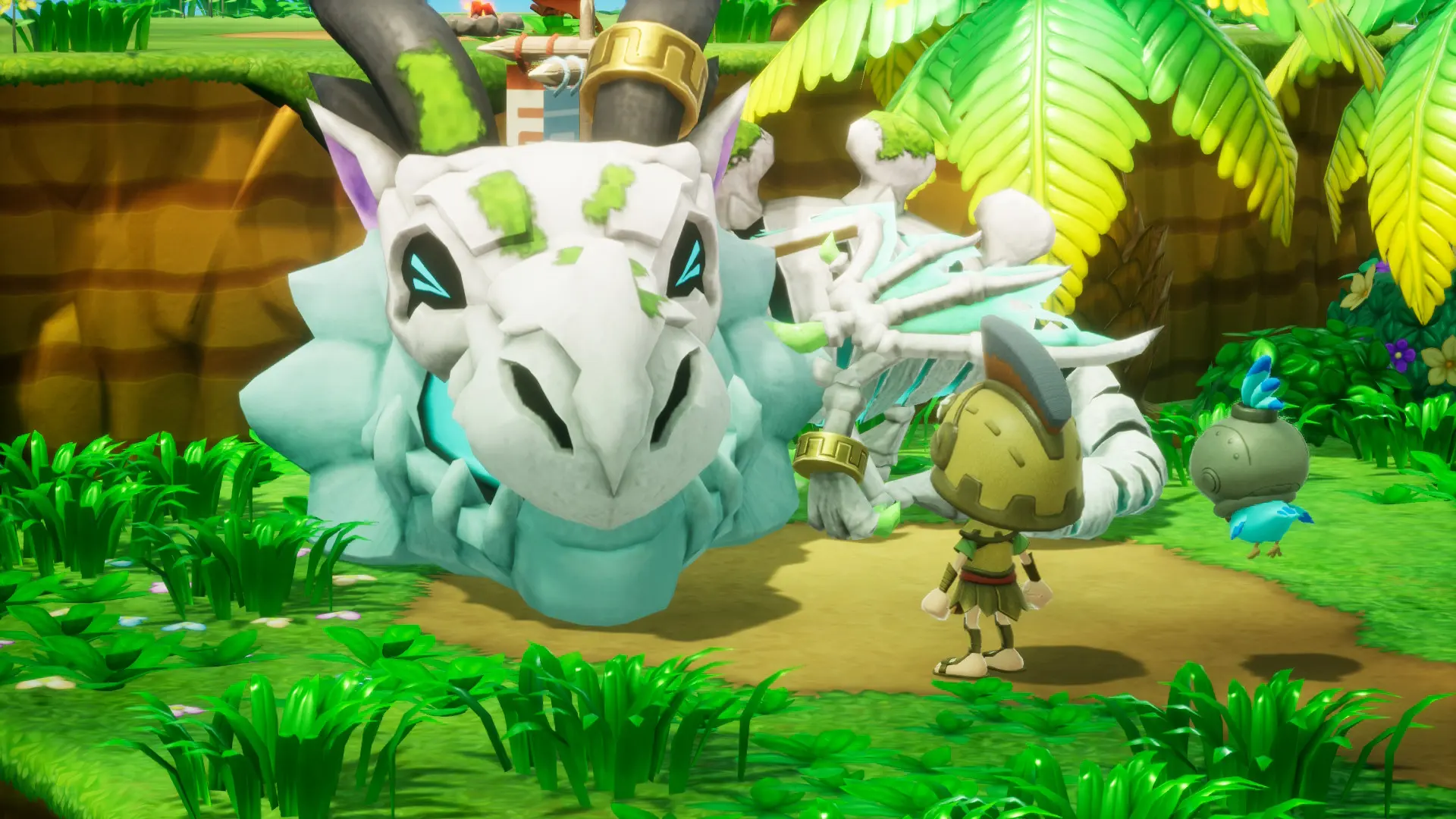
FANTASY LIFE i: The Girl Who Steals Time
This game has been on my wishlist for a long time, and I was eager to grab it because I believe it is a complex and deep RPG. Many people have said they spent 80 to 100 hours on it, and since I love the Xenoblade Chronicles series and other RPGs, I decided to buy it. The entire situation is quite funny because there is no overseas version of the physical copy, only a Japanese version. I am not sure why the developers decided to move away from Nintendo for physical releases and go entirely digital, but perhaps after receiving praise on other platforms, they felt this was the right choice. Of course, the game has some major flaws in terms of both optimization and design.
To be clear, Fantasy Life i is a simple RPG with a very slow pace that requires you to tackle every life (which functions like a job system) to master the game. Your main goal is not just to complete the story, but also to master the skill trees of all lives. This is not particularly hard or complicated since all lives depend on each other in some way; when leveling up one, you may want to start another to gather necessary materials across the land. This leads to a question: what if you are nearing the end of the game and find that you need the cooking life, but you haven't started it yet? You would then have to rush that life by leveling it up to progress further. Is that fair? Should it be considered a flaw that the game does not guide players toward all necessary lives, instead leaving it to the player's intuition to play at their own pace?
Regarding the story and narrative, the plot is neither necessarily good nor bad. It is fine in its own way but does not quite justify the long hours and constant leveling required by the gameplay. After a while, the story seems to stall because you are forced to level yourself up, and the narrative contributes nothing to encourage the player to continue. If you are someone who loves fighting with minimal story impact, this might be good for you, but be aware of the following points.
While the game has solid RPG mechanisms, it also includes other systems to fill gaps, which unfortunately contribute to the repetitive nature of leveling up. Along with leveling up your lives, you have many buddies who can fight alongside you. You must cycle through these companions and involve them in the process to help them level up. This adds another layer of complexity, but it is actually quite interesting and makes leveling up your lives easier. For example, to craft an item that requires 500 skill points, you can use the skills of two buddies to reach that number and complete the mini game. During adventures like woodcutting or fishing, certain buddies provide additional effects that are quite helpful.
Most of the gameplay types of this revolves around leveling up, and that is where more flaws are exposed. Some might argue that having so many mechanisms is a positive, but I disagree. In other games, cutting a tree or fishing are skills you can perform seamlessly. Here, you must tackle them and learn them via a specific skill tree. The way these elements are separated makes the mechanics feel fragmented. For instance, woodcutting is a separate job from furniture crafting. Because of this, the game has many features and gameplay types, such as combat and decoration, but they are only adequate rather than perfected. The experience feels somewhat shallow and lacks the polish it needs.
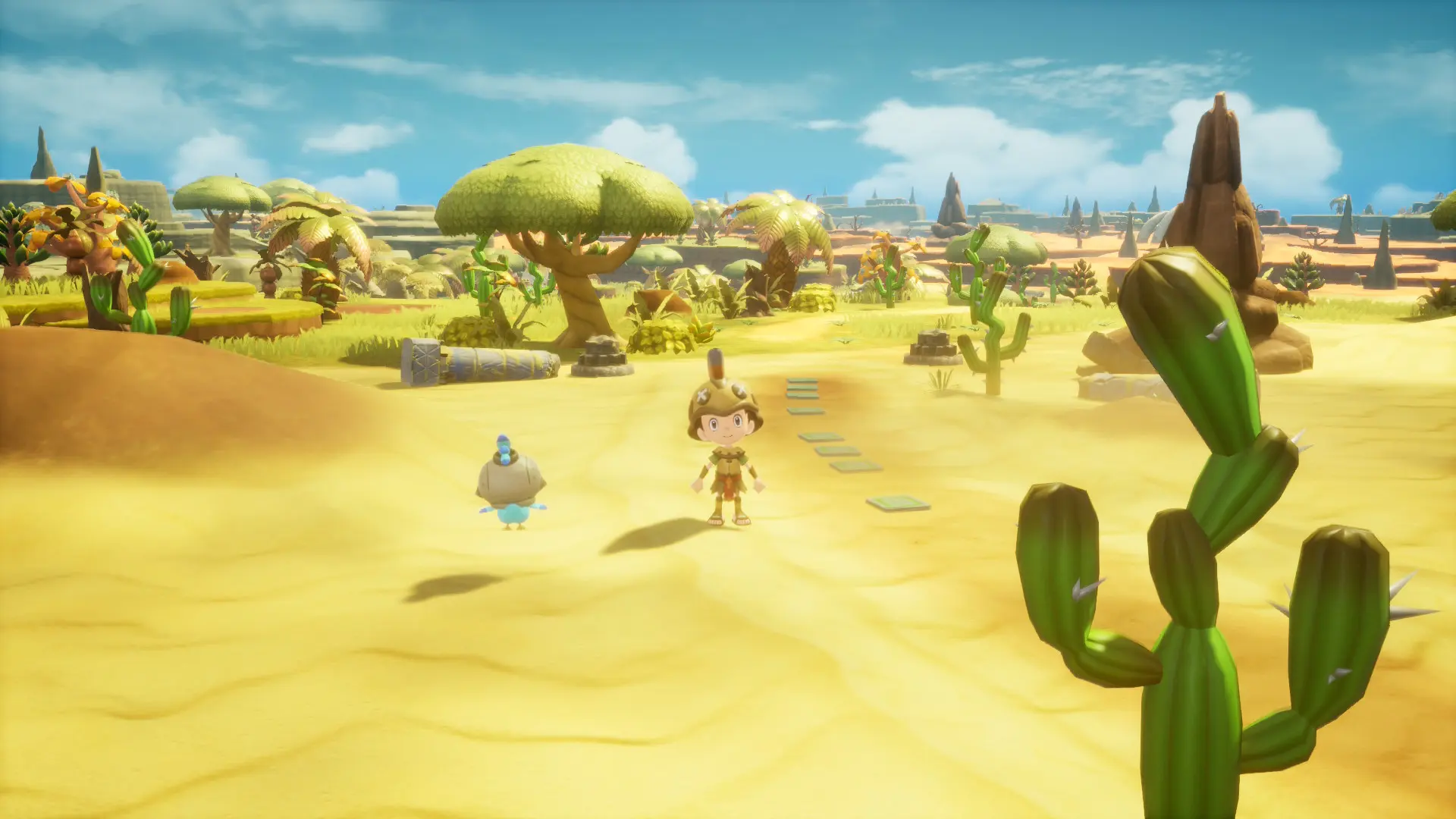
One thing I do love is the introduction of the new hub. It is a desert area where you can wander, fight, and complete quests. The purpose of this place is clear: it adds another layer to the adventure so you do not get bored. It provides a location to farm for ore, monster parts, and other items with minimal story interference. This area feels inspired by Zelda: Breath of the Wild, even featuring mini shrines where you can rescue buddies. Ultimately, I think this area is well structured. Even though the monster levels are fixed, the guidance and surroundings make it interesting to discover. Some people say this place is boring and empty, but that is often how open zones work in games. I appreciate the amount of decoration placed on this island to prevent it from feeling void or empty.
My final point concerns the presentation, including the visuals, soundtrack, and frame rate. I had a hard time convincing myself to purchase it for the Switch 2, as I assumed the port would be good, but it is actually somewhat disappointing. It is acceptable, but it is not an excellent port since there are various issues. For example, the ghosting effect during character movement is noticeable, the resolution in docked mode is blurry, and there are frame drops during busy combat scenes. Additionally, there is a significant issue with Switch 2 compatibility enhancements, as many details are missing compared to the PS5 version despite the upgrade fee. To be honest, a title with a chibi art style like this should not have trouble looking good or being well optimized for the Switch 2. Even the Steam Deck offers better visuals and a higher frame rate. Therefore, I do not think it is a good port. However, the soundtrack is fine. Some tracks are quite epic, though I wonder if they truly fit a chibi style like this.
Metroid Prime 4: Beyond
I am not a veteran of the Metroid Prime series. Most of the Metroid games I played in the past were 2D, and I loved all of those previous entries. Although I played a bit of Metroid Prime Remastered before, I eventually gave up because I felt unskilled and found the game quite confusing. At the time of writing this review, I have just completed the flame pool section. This means there is one more major section left along with some backtracking, which I will play later, but I have seen enough to write a review and share my feelings.
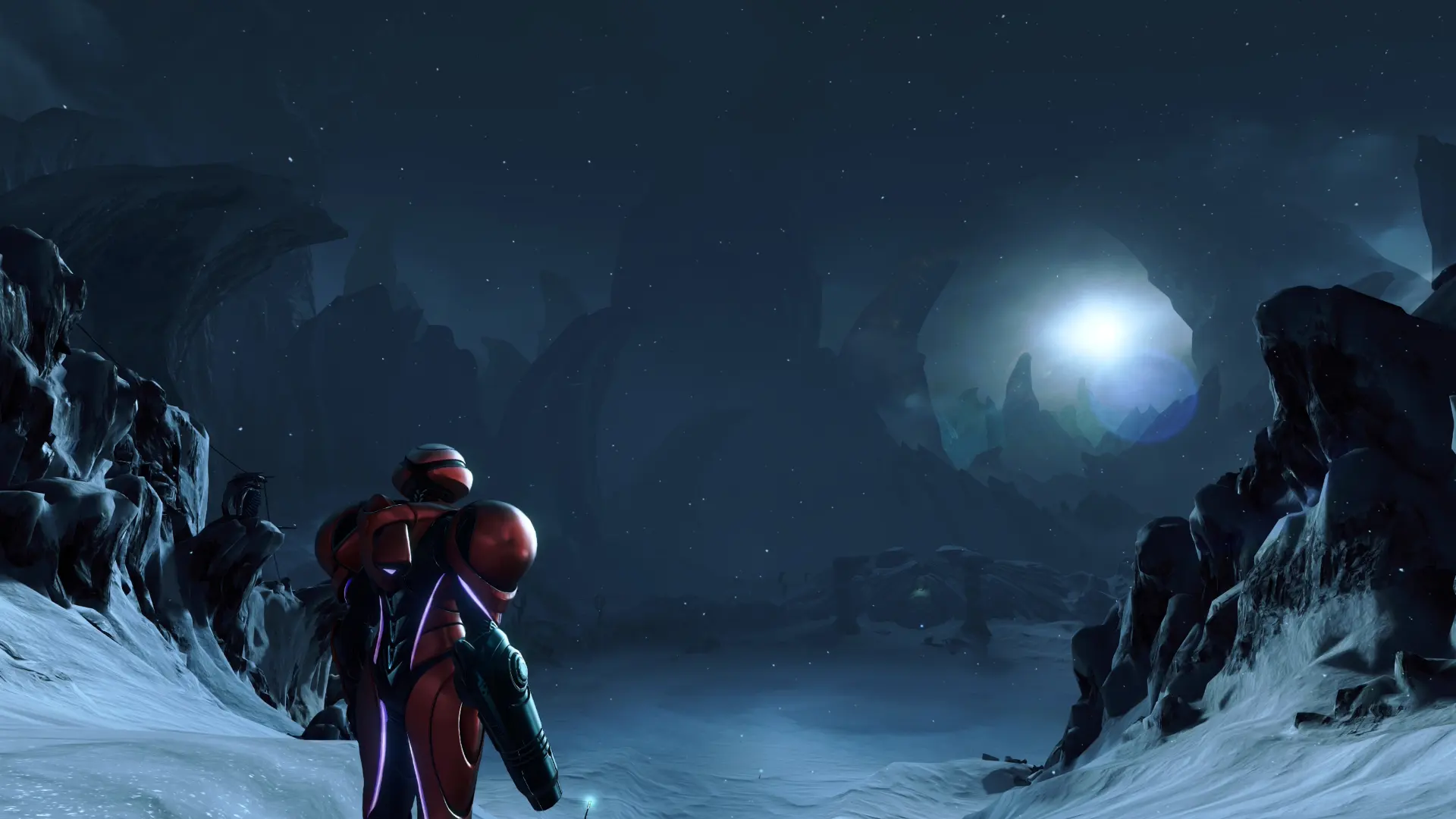
The main controversy is that this game does not have an interconnected world; instead, it features five isolated environments connected to each other via a desert hub. The main purpose of the desert is simply to serve as a location for the game's primary sections while containing a few mini puzzles and enemies. I have heard people say they do not like this, and I feel the same way. It is not necessarily bad, but it is not good either. The area feels like a place where there is almost nothing to do, with empty lore and no background music. According to a recent interview, this area was left unfinished and unpolished because the developers acknowledged the open zone section was added due to fan demand, but it did not work well and it was too late to abandon it. To be honest, because of the nature of Zelda like dungeons, turning a hub section into an interconnected world seems impossible without spending five to six years crafting a perfect environment, especially since the development of Metroid Prime 4 was already in trouble for a long time. However, we should also look at the positive side. Nintendo will likely continue to greenlight the next Metroid Prime game. Despite the unstable foundation, we now have a solid starting point and a way to establish a stronger installment, crafted from scratch by Retro Studios. That is great news.
Regarding the specific locations in the game, a common theme is that the structure of the keys and checkpoint mechanisms feels very similar to Breath of the Wild. You enter a location, such as a structure of towers or buildings, and move through multiple sections that require you to collect various key items to unlock the main entrance and proceed. The puzzle aspect is also very lightweight and feels like Zelda in certain ways. We can look at this through two different lenses: room level puzzles and global puzzles. Most of them are room level puzzles involving platforming, scanning, and resolving challenges within a specific room. Usually, you do not need to worry about how the entire structure works because that is reserved for the backtracking sections. The backtracking seems cool to me because there are environmental changes based on the events of the game, and it often involves opening new paths. Another highlight is that the atmosphere of each place feels very dense and immersive. For example, the Ice Bell section feels very special with its lore, details, and many things to discover, making it one of the best parts of the game. There are also some famous escape sequences. I enjoy them, even though I have to retry them multiple times because I struggle with the difficulty.
The boss battles are a major highlight of the game. Even if there are some poorly designed bosses, though that is subjective, most of them are very intense and long. Some cool bosses are placed right at the start of the game, and one blocked me for ten attempts before I could move on. I hope I do not have to turn down the difficulty later, but right now I am happy with it. These bosses have limited move sets and attacks, so dying multiple times to learn how to dodge and avoid them is a fair way to beat them. However, some bosses are invulnerable until they reveal a weak spot after five or ten minutes of battle, which feels unfair.
My final point is about the presentation, which is the best part of the experience. Metroid Prime 4 is a Switch 1 game upscaled and optimized for Switch 2. While some parts have incredibly low texture detail, the overall visuals, 4K resolution, and HDR are impressive. The framerate is consistent, and the soundtrack is good as well. There is not much else to say, so I will leave it at that.
.jpg)
.jpg)
.jpg)
.jpg)
Donkey Kong Bananza
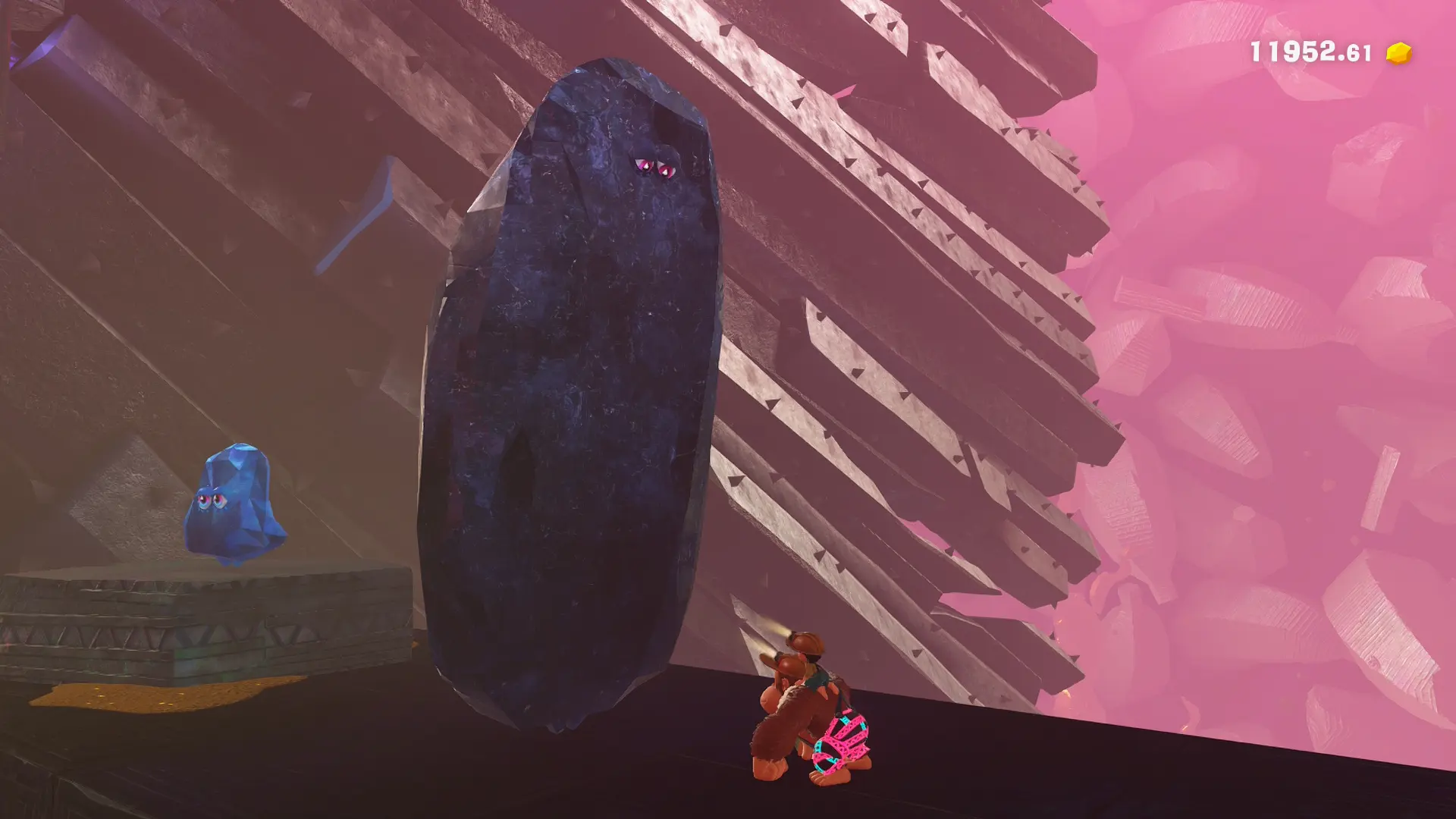
And finally, my personal game of the year, which is one of the best 3D platformers in the last ten years, arrived in a very surprising way. Donkey Kong is not even my favorite franchise, but the presentation, creative gameplay, and sense of adventure make this game truly stand out.
My overall impression of the difficulty is that it is quite unique. Most of the game seems easy to play, and while there are some tricky platforming sections, the experience generally feels straightforward. Instead of expecting a high density of obstacles or heavy waves of enemies, you can look forward to other types of challenges. The atmosphere is unmatched, and the game is structured in much the same way as Super Mario Odyssey, where you dive deep into a planet's core to reveal the truth. Each layer contains a specific type of scenery and view. From the early Canyon layer to the depths of the Forbidden layer, every level offers surprises and tons of fun. My favorite is the Forest layer.
Perhaps it is because I love forest themes in general, or specifically within the Donkey Kong franchise, but the mechanics introduced there, including the puzzles, platforming, and the bananza ability, are excellent. Another highlight is the soundtrack, especially in this specific layer, as it is very calm, chill, and stress free. The style of the new soundtrack is different from what we had in the past, and the variety of musical genres in this entry impressed me even more than previous games. Sometimes I find myself just standing on a cliff, looking out at the far horizon and letting Pauline and Donkey Kong rest while I enjoy the music. There is nothing better.
When I heard that the team behind Odyssey was making a Donkey Kong game, I was worried like everyone else that it would just be a Mario game with Donkey Kong skins. However, after playing it, I can say this is a true Donkey Kong game. You can feel the weight of every punch and jump, and there is a great amount of detail, lore, and environmental design specifically tailored to Donkey Kong. The platforming also feels distinct because of his unique movement. I will not go into further detail to avoid making this too long or ruining your experience, but believe me, it is a fun ride.
One of my favorite platforming mechanisms appears later in the Forbidden layer, where you have to create your own platforms by mixing the bananza ability with environmental objects. It all comes together to create a great experience that is truly unique for this era. When we think of platforming, we usually think of jumping and avoiding obstacles, but Nintendo has shown us there are even more ways to define what a true platformer can be. This game is the proof.
And that is it. This has been a very long and detailed review of everything I played this year. I had promised myself to play even more third-party titles this year, such as Persona 3 Reload, Final Fantasy VII Remake, Final Fantasy VII Rebirth, or Baldur’s Gate 3, but I simply did not have the time. Completing 15 or 16 games a year is already quite a lot.
Since the Switch 2 is doing so well, I am considering getting a PS5 Pro for AAA and third-party games so I can enjoy them at their best. However, I am still undecided because I am not sure if I love Sony’s library that much. With 2026 approaching, the Switch 2 lineup is expected to be huge. Thank you for reading!